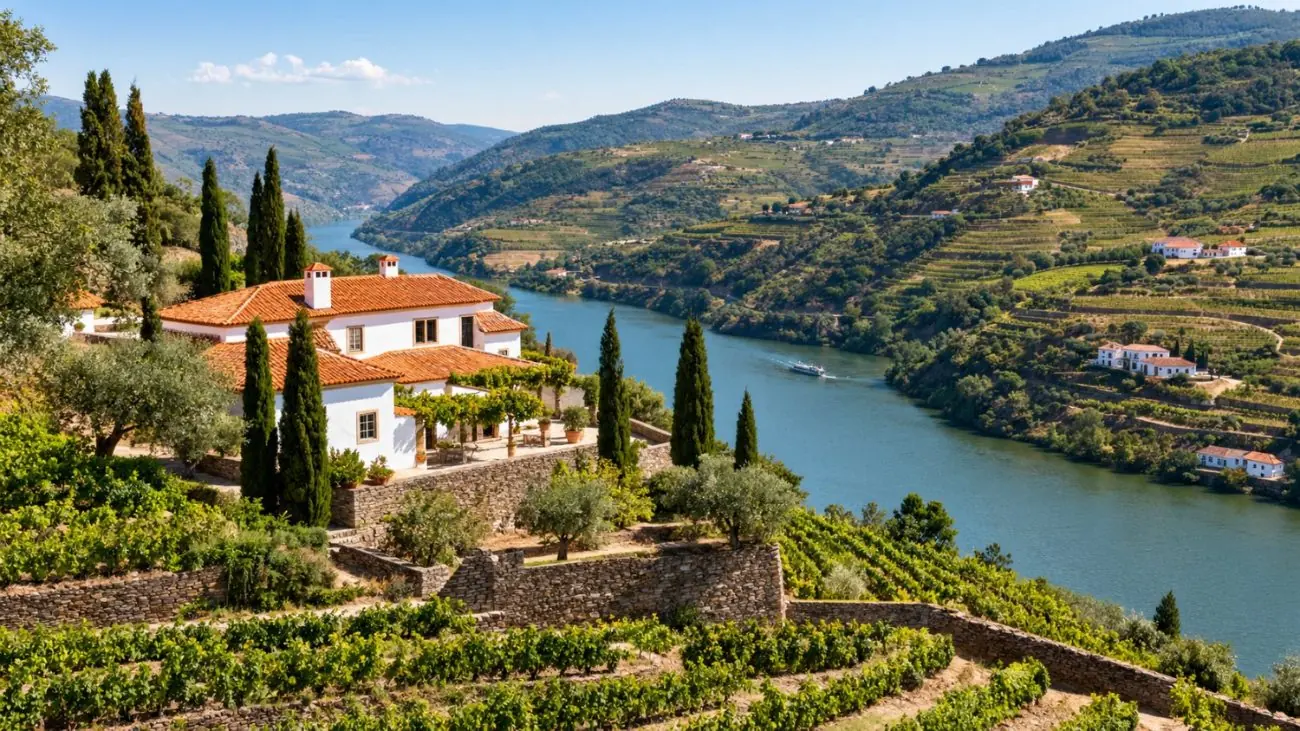
Booking choice: The boutique wineries day, 8 to 9.5 hours. Book this Tour details
The Douro makes two kinds of wine from one region: Port, which is fortified, and Douro DOC, mostly unfortified reds and whites. Both are regulated by the IVDP, and most quintas that receive visitors pour both.
Day tours from Porto pick the wineries for you, and several do not name them in advance. If you want a specific estate, visit it on your own or pick a tour that names its stops.
The quick answer
Quintas that receive visitors include Quinta do Bomfim (Symington, Pinhão), Quinta da Roêda (Croft, Pinhão), Quinta do Seixo (Sandeman, between Régua and Pinhão), Quinta do Vallado (near Régua) and the Adega de Favaios cooperative. On day tours from Porto, the boutique tour names Quinta do Fôjo and Quinta do Laranjo. Taste a Douro red from Touriga Nacional and a 10 or 20-year-old tawny to cover the region's two sides.
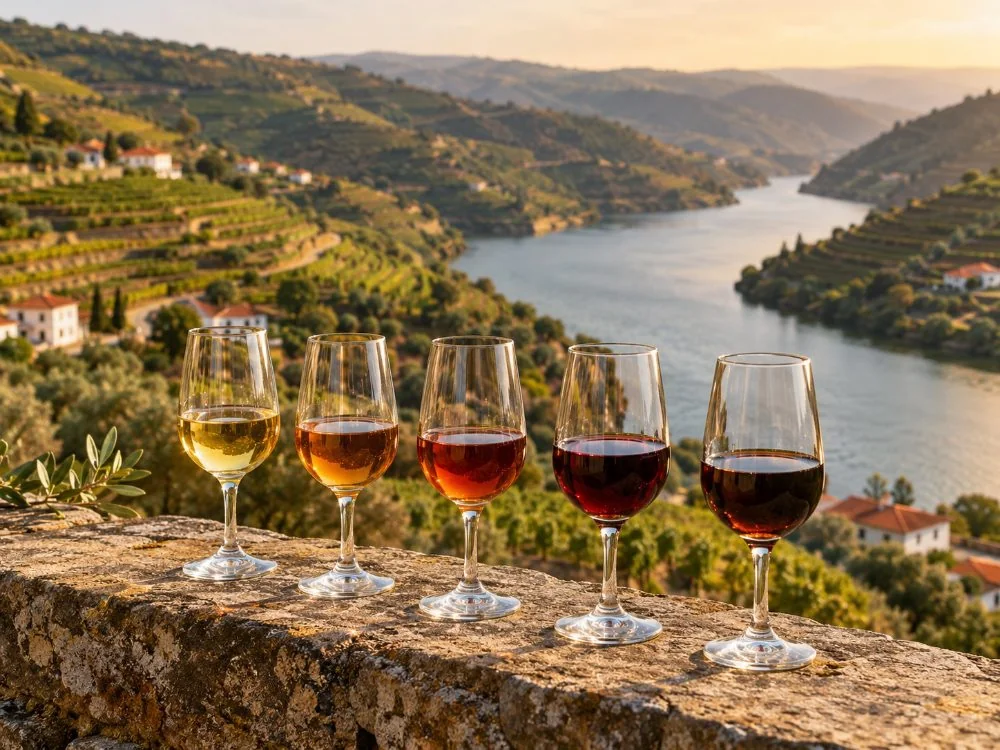
Which Douro wineries can you visit?
Big-name Port estates near Pinhão, family quintas near Régua and cooperatives on the plateaus. These receive visitors:
A short list of estates with visitor programmes:
| Quinta | Where | House | Known for |
|---|---|---|---|
| Quinta do Bomfim | Pinhão | Symington (Dow's) | Bought in 1896; visitor centre opened 2015 |
| Quinta da Roêda | Pinhão | Croft (Fladgate Partnership) | Bought in 1889; opened to visitors in 2015 |
| Quinta do Seixo | South bank, between Régua and Pinhão | Sandeman (Sogrape) | 18th-century house and chapel; terraced winery from 2007 |
| Quinta do Vallado | On the Corgo, near Régua | Descendants of Dona Antónia Ferreira | Founded 1716; own bottlings since 1993; wine hotel |
| Adega de Favaios | Favaios, Alijó | Cooperative, founded 1952 | Moscatel from Moscatel Galego Branco |
| Quinta da Portela de Baixo | Lamego | Family-run | Small museum of winemaking tools |
Book each one direct: Symington, Sogrape for Seixo, Quinta do Vallado, Adega de Favaios.
Two small quintas, a Porto Tonic at the winery and a long lunch with wine.
Book thisWhat is Quinta do Bomfim like to visit?
A Symington estate on the edge of Pinhão: a small museum, a choice of vineyard walks, the 1896 lodge and a Port-focused tasting on the terrace, in 1.5 hours.
George Warre bought Bomfim for Dow's in 1896, and it has 74.6 hectares of vines between 80 and 384 metres. The visit and tasting takes up to 10 people: you choose one of three vineyard walks, see the old lodge with its big vat and barrel cellar, then taste three glasses chosen from four options, from Douro DOC to Dow's old tawnies. Bring ID and good shoes; it is not suitable for wheelchairs.
Steve, from the United Kingdom: "An interesting tour with the most delicious ports & tasting notes."
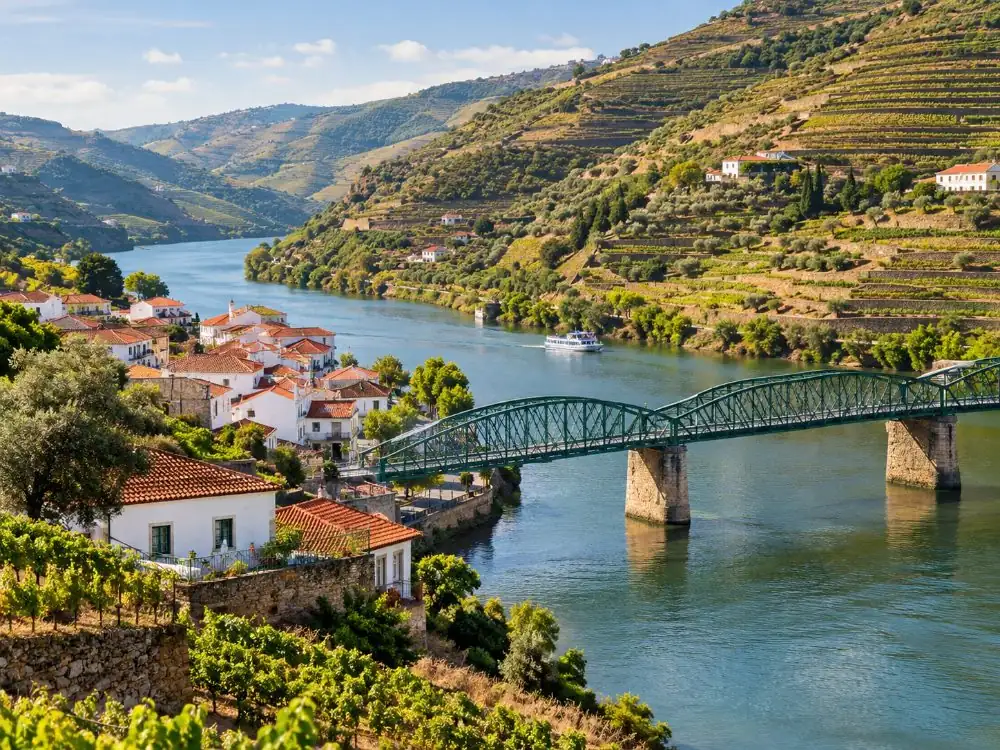
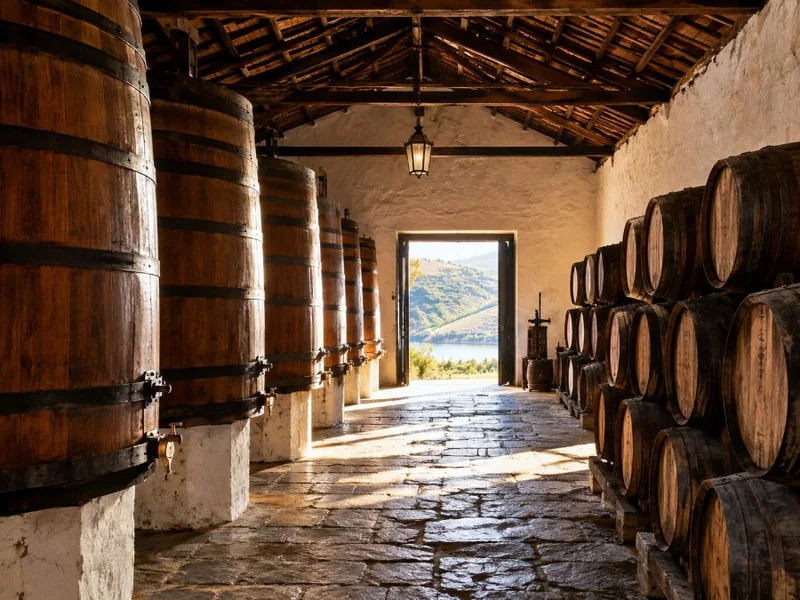
A Symington estate in Pinhão: vineyard walk, the 1896 lodge and Port on the terrace.
Book this Tour detailsWhat is the difference between Port and Douro DOC wine?
Port is fortified with grape spirit to stop fermentation, so it keeps natural sweetness and reaches 19 to 22% alcohol. Douro DOC wines are mostly unfortified reds, whites and rosés.
To make Port, winemakers add about one part grape spirit to four parts fermenting must. When they add it decides the sweetness, from extra dry to very sweet. Douro DOC covers red, white and rosé, plus Espumante do Douro (sparkling), Moscatel do Douro and late-harvest wines.
Port is Portugal's most famous wine, and the region's history is built on it: the Douro was demarcated in 1756, and IVDP calls it the oldest demarcated and regulated region in the world. The reds are newer and, to many palates, the more exciting story today.
Which Port styles should you taste?
A ruby or LBV for fruit, a tawny with an age indication for nuts and caramel, and a white Port as an aperitif.
The main styles, as IVDP defines them:
| Style | How it is made | Taste |
|---|---|---|
| Ruby | Young, kept fruity | Red fruit, bright |
| LBV | One year, bottled after 4 to 6 years in wood | Richer ruby |
| Vintage | One great year, bottled after 2 to 3 years; ages in bottle | Dense when young, develops for decades |
| Tawny, 10 to 40 years | Aged in oak | Dried fruit, nuts, caramel |
| Colheita | Single-year tawny, at least 7 years in cask | Like an aged tawny, from one harvest |
| White | White grapes; from young to aged in wood | Dry to sweet; good with tonic |
| Rosé | Launched in 2008, recognised in 2009 | Light, fruity, served cold |
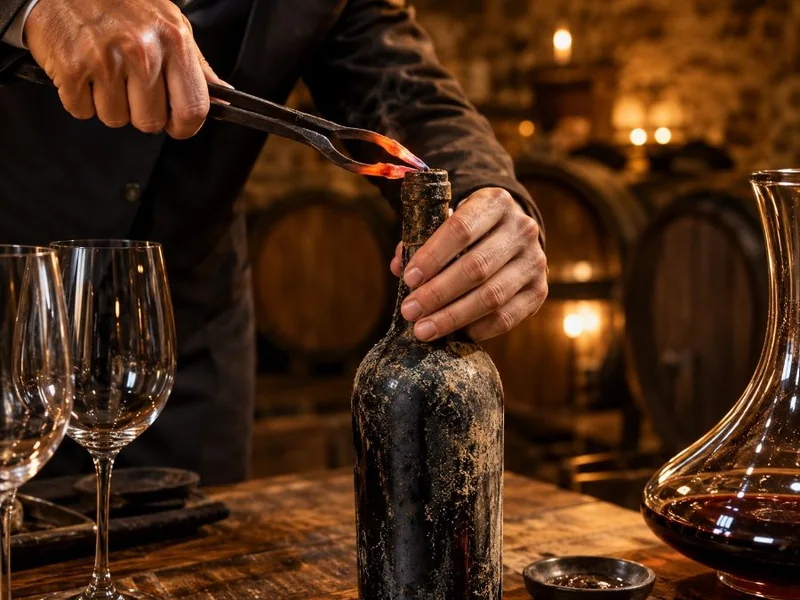
Two tours open old Port with fire and Port tongs, the traditional way, and the two-region tour does it with a Vintage Port.
About 15 wines in a day, from Vinho Verde to Port, chosen by a sommelier.
Book thisWhat are the best Douro wines to try?
Reds from Touriga Nacional and Touriga Franca, whites from Viosinho, Rabigato and Gouveio, Moscatel from Favaios, and an aged tawny Port.
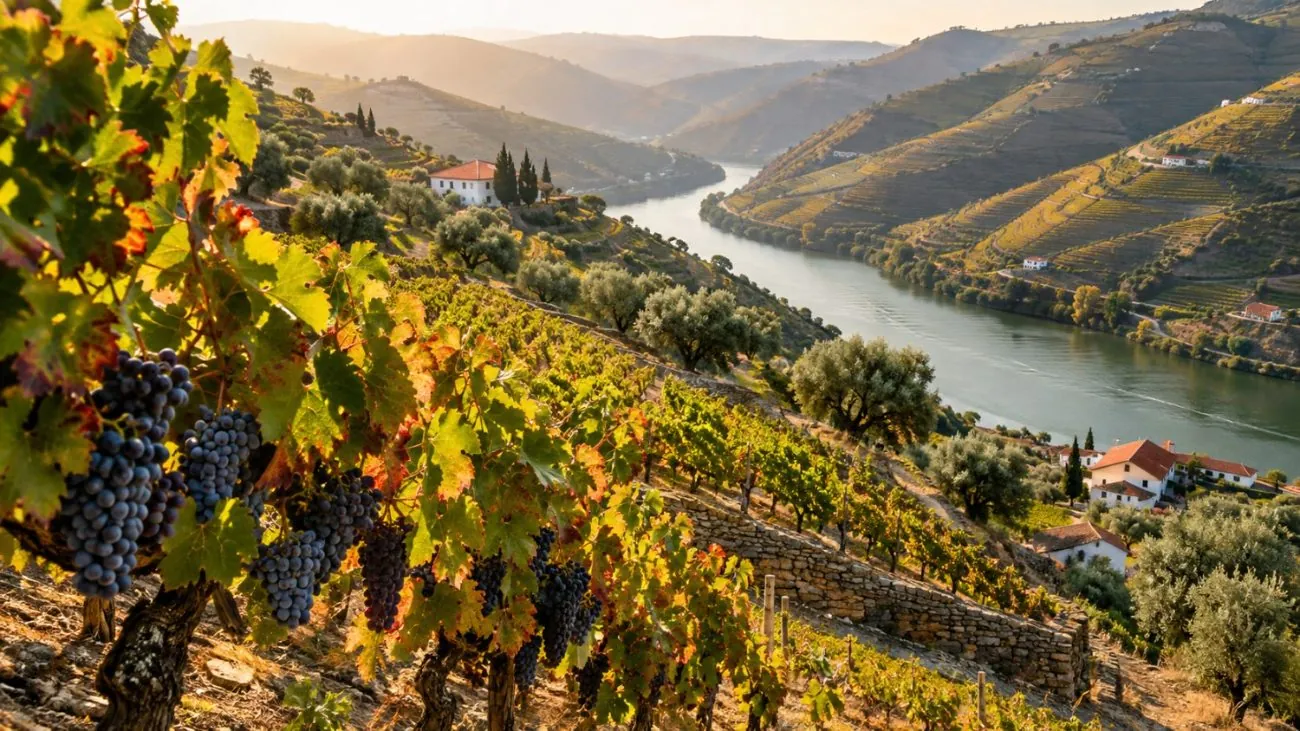
IVDP names five main red grapes for Douro DOC: Touriga Nacional, Touriga Franca, Tinta Roriz (Aragonez), Tinta Barroca and Tinto Cão. Touriga Franca is the most planted in the region. Touriga Nacional gives small, thick-skinned berries and dark, tannic wine. The whites, Malvasia Fina, Viosinho, Gouveio and Rabigato, are the surprise for many visitors: fresh wines, some from vineyards at altitude.
The best pick for a first tasting is a field blend red from old vines, then a 20-year-old tawny. That pair shows what the schist does.
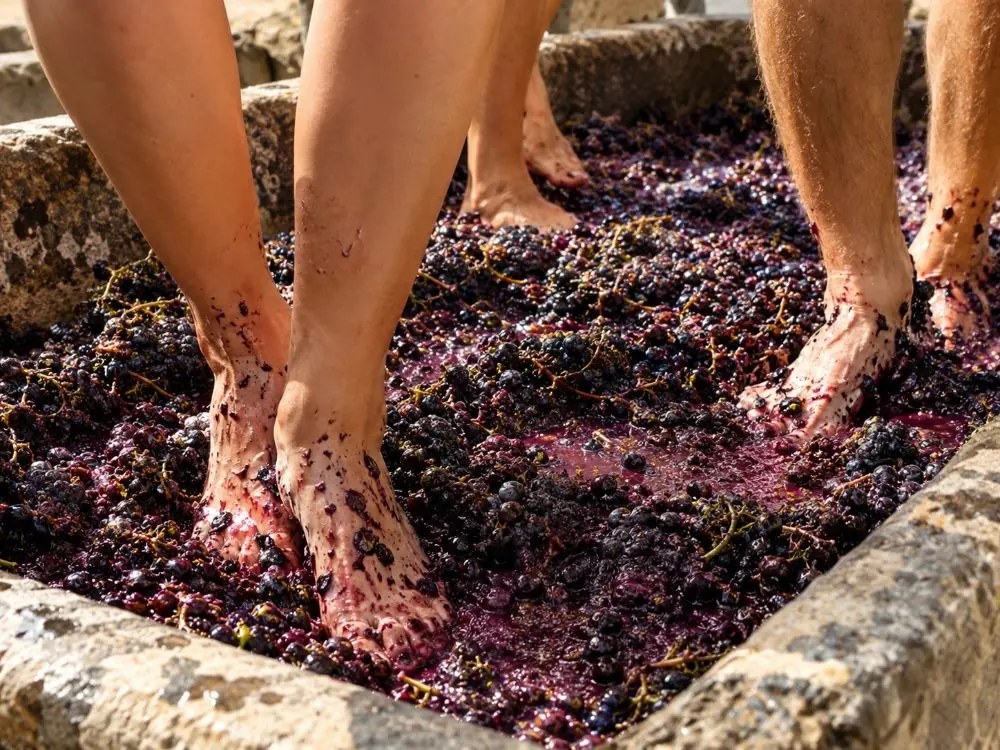
Which wineries do the day tours visit?
It varies. Some tours name their quintas, others name only the type of winery. Here is what each listing states:
From the tour listings:
| Tour | Wineries the listing states |
|---|---|
| Boutique wineries | Quinta do Fôjo (visit and tasting), Quinta do Laranjo (lunch and tasting) |
| Boat, tasting and lunch | A Régua winemaking cooperative founded in 1959, then a second cellar in Pinhão |
| Two wineries in Sabrosa | Two wineries in Sabrosa, lunch at one of them |
| Sommelier small group | A Penafiel family winery (Vinho Verde), then a Douro family winery making Port |
| Two wine regions | Two family-run wineries, not named |
| Boat, train and lunch | One winery, not named |
Laura, on the sommelier tour: "The wineries were outstanding and the lunch was excellent."
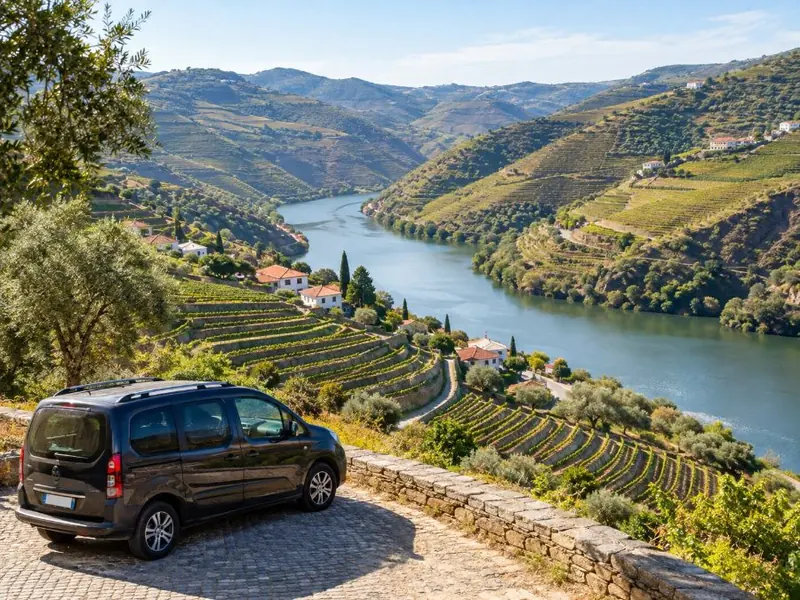
Two wineries on the Sabrosa plateau, where one guest was welcomed by the owners.
Book this Tour detailsAre the Port lodges in the Douro Valley?
No. The historic Port lodges are in Vila Nova de Gaia, across the river from Porto, about 100 km from the vineyards.
The lodges are long, cool buildings with thick walls, and Port aged better in the coastal climate than in the hot valley. Until 1986, Port for export had to ship from Gaia; since then it can ship straight from the Douro, which opened the market to quintas without a lodge. Gaia still has around 60 Port houses.
The Cálem cellar tour is a good primer: founded in 1859, motto "Born in the Douro, aged in Gaia", with an interactive museum, a 30-minute cellar tour and a tasting of a white Port and a 10-year-old tawny. It is wheelchair accessible. Guests describe it as a quick introduction, not a deep dive.
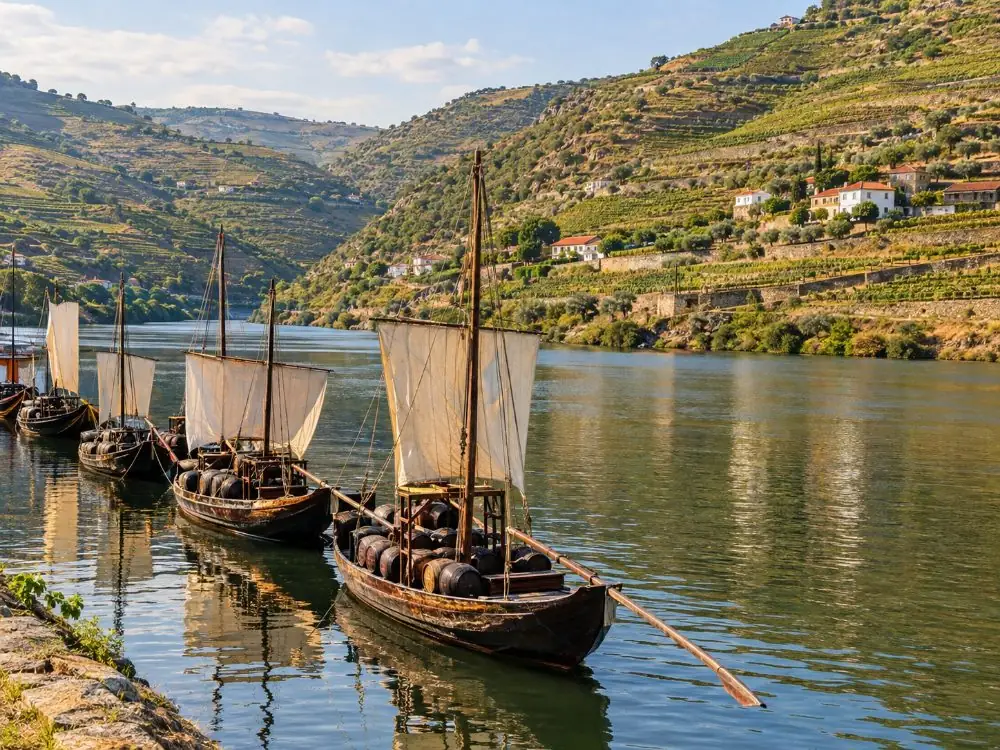
Port's story in an hour, in the Gaia cellars facing Porto.
Book thisCan you visit Douro wineries on your own?
Yes, by booking direct with each quinta. The catch is transport: the estates sit up steep roads, and the driver cannot drink.
From Pinhão you can walk to Bomfim and take a taxi up the hill to others. From Régua, Quinta do Vallado is close. Allow 1 to 1.5 hours per visit and no more than three a day. Opening hours in winter vary, and no central list exists, so check each estate.
For a base, see where to stay in the Douro. For the day-tour route, see the day trip guide.
Frequently asked questions
What is the most famous Douro winery?
The best-known names are the Port houses: Dow's (Symington) at Quinta do Bomfim, Croft at Quinta da Roêda and Sandeman at Quinta do Seixo.
What is Portugal's most famous wine?
Port, made in the Douro and aged largely in Vila Nova de Gaia. Vinho Verde from the north-west is a close second.
How many wineries can you visit in a day?
One or two on a day tour from Porto, three at most on your own if you stay in the valley.
Do you need to book Douro winery visits?
Yes, for most estates. Book direct with the quinta, or join a tour that includes the visits and tastings.
Ready to book
Choose your day
Free cancellation up to 24 hours before on every option shown here.
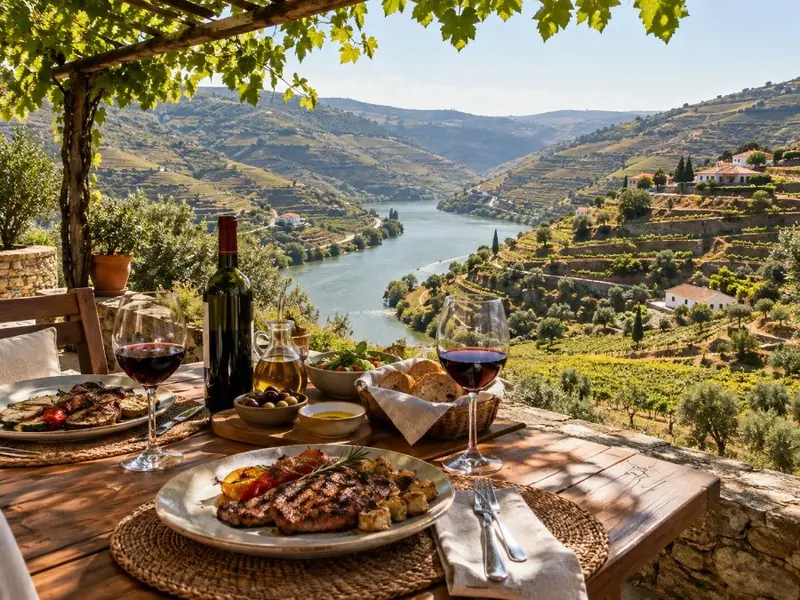
Boutique Wineries, Paired Lunch & Cruise
Two small named quintas, lunch at the second
Quinta do Bomfim Visit & Port Tasting
A historic Port estate you can reach by train
Small-Group Wine Day with a Sommelier & Boat
- Sommelier who drives and guides, max 8 guests
- Two family wineries, Vinho Verde and Douro
- Lunch with Douro DOC red and white